Sukumar Ghosh was an unique revolutionary. He was a member of Bengal Volunteers founded by Hem Chandra.He had a role in planning of assassination of Governor of Bengal Sir John Anderson in 1934.. He was jailed for 14 years being involved in the attempt of assassination of Anderson in the race maidan of Labong of Darjeeling. He was kept in Andaman Cellular jail. He committed 45 days fast, historically noted, on the demand of release of all the prisoners, to bring them to India, and to show proper respect to them. He was among those prisoners who were brought to India. He was kept in Alipore Central Jail.He again participated in hunger strike for 35 days in 1938. He was released in 1946 along with other prisoners. Fater release he joined in Sicialist Party formed by Rammonohar Lohia.
Sukumar Bandyopadhyay was born in Burdwan. He joined in Civil Disobedience movement during student life. He took active role in the movement of opposing Damodar Canal Tax Collection. Later he joined Communist Party and was connected with trade union movement. He was the founder of Ranigunj Paper Mills Workers Union and main organiser. In the 2nd day of strike while picketing , he died by run over of police track.
Sukhendu Bikash Datta was born in Chittagong. He suffered a long prison life for Deoghar Conspiracy Case. Later he was jailed in Chittagong jail without trial.He participated in saving Suryz Sen. Being out of this Conspiracy he was jailed in Berhampore. After release he joined openly in politics.


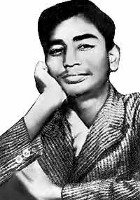
Sukanta Bhattacharya (Bengali: সুকান্ত ভট্টাচার্য) was a Bengali poet and playwright. Along with Rabindranath Tagore and Kazi Nazrul Islam, he was one of the key figures of modern Bengali poetry, despite the fact that most of his works had been in publication posthumously. During his life, his poems were not widely circulated, but after his death his reputation grew to the extent that he became one of the most popular Bengali poet of the 20th century. He has had a significant influence on poet Subhas Mukhopadhyay and composer Salil Chowdhury who set some of his popular poems to music.
The poetry of Sukanta Bhattacharya is characterized by rebel socialist thoughts, patriotism, humanism and yet romanticism.
Life
Sukanta Bhattacharya was born to Nibaran Chandra Bhattacharya, owner of Saraswat Library, a publishing and book selling enterprise, and Suniti Devi. He was the second of their six sons, Sushil, Prashanta, Bibhash, Ashoke and Amiya being the other five sons. Buddhadeb Bhattacharya, the former Chief Minister of West Bengal is his nephew. Sukanta was born at his maternal grandfather’s house at Kalighat, Calcutta (now Kolkata, West Bengal), although his family hailed from the village of Kotalipara in Gopalganj of modern day Bangladesh.
Sukanta spent his childhood at their house at Nibedita Lane, Bagbazar. He was sent to Kamala Vidyamandir, a local primary school where his literary career began. His first short story was published in Sanchay, the school’s student magazine. Later another of his prose writing, "Vivekanander Jibani", was published in Sikha, edited by Bijon Bhattacharya.
After studying at Kamala Vidyamandir, he got admitted to Beleghata Deshbandhu High School. He joined the Communist Party of India in 1944. In the same year, he edited an anthology, named Akal (Famine) published by the Anti-Fascist Writers' and Artists' Association. In 1945, he appeared in the entrance examination from Beleghata Deshbandhu High School but failed. He was the editor of the Kishore Sabha (youth section) of the Bengali daily organ of the party, Dainik Swadhinata from its inception in 1946. He died of tuberculosis at the Jadavpur T. B. Hospital (later, K. S. Roy T. B. Hospital) in Calcutta at a very young age of 20. A comprehensive account of the poet's life can be found in Kabi Sukanta Bhattacharya O Sei Samay written by the poet's youngest brother, Amiya Bhattacharyya.
Works
Prodigious Sukanta's poetry was published in magazines while he was alive, and except for Chharpatra his books were all published posthumously.
His works are deeply marked and influenced by his communist experience. One of his shorter poems name "Hey Mahajibon" (হে মহাজীবন) from the book Chharpatra (ছাড়পত্র) compares the moon with a burnt roti, a prosaicness born of hunger:
"ক্ষুধার রাজ্যে পৃথিবী গদ্যময় পূর্ণিমার চাঁদ যেন ঝলসানো রুটি"
"Poetry, we do not need you anymore. A world devastated by hunger is too prosaic, The full moon now reminds us of toasted bread"
Sukanta Samagra (সুকান্ত সমগ্র) (Complete Works of Sukanta) (1967), published by the Saraswat Library, Kolkata was edited by Subhash Mukhopadhyay. This includes all the printed texts, some lesser known writings, his plays and stories, which include Khudha (Hunger), Durboddho (Incomprehensible), Bhadralok (Gentleman) and Daradi Kishorer Svapna (Dream of a Compassionate Adolescent), an article, Chhanda O Abritti and also a selection of lettrs.
Sukanta Bhattacharya's Works:
Chharpatra (ছাড়পত্র) (Certificate, 1947), Ghum Nei (ঘুম নেই) (Sleepless, 1954), Purbabhas (পূর্বাভাস) (Premonition, 1950), Abhijan (অভিযান) (Expedition, 1953, a play), Mithe-Kadha (মিঠে-কড়া) (Sweet and sour 1951), Giti Guccha (গীতিগুচ্ছ) (Songs1965), Sukanta Samagra (সুকান্ত সমগ্র) (Complete Works of Sukanta) (1967), Patra Guchha (পত্র গুচ্ছ) (Letters).
The poetry of Sukanta Bhattacharya is characterized by rebel socialist thoughts, patriotism, humanism and yet romanticism.
Life
Sukanta Bhattacharya was born to Nibaran Chandra Bhattacharya, owner of Saraswat Library, a publishing and book selling enterprise, and Suniti Devi. He was the second of their six sons, Sushil, Prashanta, Bibhash, Ashoke and Amiya being the other five sons. Buddhadeb Bhattacharya, the former Chief Minister of West Bengal is his nephew. Sukanta was born at his maternal grandfather’s house at Kalighat, Calcutta (now Kolkata, West Bengal), although his family hailed from the village of Kotalipara in Gopalganj of modern day Bangladesh.
Sukanta spent his childhood at their house at Nibedita Lane, Bagbazar. He was sent to Kamala Vidyamandir, a local primary school where his literary career began. His first short story was published in Sanchay, the school’s student magazine. Later another of his prose writing, "Vivekanander Jibani", was published in Sikha, edited by Bijon Bhattacharya.
After studying at Kamala Vidyamandir, he got admitted to Beleghata Deshbandhu High School. He joined the Communist Party of India in 1944. In the same year, he edited an anthology, named Akal (Famine) published by the Anti-Fascist Writers' and Artists' Association. In 1945, he appeared in the entrance examination from Beleghata Deshbandhu High School but failed. He was the editor of the Kishore Sabha (youth section) of the Bengali daily organ of the party, Dainik Swadhinata from its inception in 1946. He died of tuberculosis at the Jadavpur T. B. Hospital (later, K. S. Roy T. B. Hospital) in Calcutta at a very young age of 20. A comprehensive account of the poet's life can be found in Kabi Sukanta Bhattacharya O Sei Samay written by the poet's youngest brother, Amiya Bhattacharyya.
Works
Prodigious Sukanta's poetry was published in magazines while he was alive, and except for Chharpatra his books were all published posthumously.
His works are deeply marked and influenced by his communist experience. One of his shorter poems name "Hey Mahajibon" (হে মহাজীবন) from the book Chharpatra (ছাড়পত্র) compares the moon with a burnt roti, a prosaicness born of hunger:
"ক্ষুধার রাজ্যে পৃথিবী গদ্যময় পূর্ণিমার চাঁদ যেন ঝলসানো রুটি"
"Poetry, we do not need you anymore. A world devastated by hunger is too prosaic, The full moon now reminds us of toasted bread"
Sukanta Samagra (সুকান্ত সমগ্র) (Complete Works of Sukanta) (1967), published by the Saraswat Library, Kolkata was edited by Subhash Mukhopadhyay. This includes all the printed texts, some lesser known writings, his plays and stories, which include Khudha (Hunger), Durboddho (Incomprehensible), Bhadralok (Gentleman) and Daradi Kishorer Svapna (Dream of a Compassionate Adolescent), an article, Chhanda O Abritti and also a selection of lettrs.
Sukanta Bhattacharya's Works:
Chharpatra (ছাড়পত্র) (Certificate, 1947), Ghum Nei (ঘুম নেই) (Sleepless, 1954), Purbabhas (পূর্বাভাস) (Premonition, 1950), Abhijan (অভিযান) (Expedition, 1953, a play), Mithe-Kadha (মিঠে-কড়া) (Sweet and sour 1951), Giti Guccha (গীতিগুচ্ছ) (Songs1965), Sukanta Samagra (সুকান্ত সমগ্র) (Complete Works of Sukanta) (1967), Patra Guchha (পত্র গুচ্ছ) (Letters).
This page is based on the copyrighted Wikipedia Sukanta Bhattacharya; it is used under the Creative Commons Attribution-ShareAlike 3.0 Unported License. You may redistribute it, verbatim or modified, providing that you comply with the terms of the CC-BY-SA..
